This blog was originally published in August 2023 and has been updated to reflect the current status of Nurse Licensure Compact states as of July 2026. State membership information changes regularly. Always verify your state's current status at nursecompact.com or through NCSBN before making licensing decisions.
The nursing profession plays a critical role in delivering quality healthcare across the United States. As demand for nurses has grown, so has the need for a more flexible and efficient licensing system. The Nurse Licensure Compact (NLC) was created to address exactly that, making it easier for nurses to work across state lines without jumping through the administrative hurdles of obtaining a new license in every state.
Since this blog was first published in 2023, the compact has grown significantly. As of July 2026, more than 40 states are full members of the NLC, with several more working through the process of joining. Here is everything you need to know about how the compact works, which states are in, and what has changed.
What are nurse compact states?
Nurse compact states are those that have adopted the Nurse Licensure Compact (NLC), an agreement among participating states that allows nurses to practice across state lines without obtaining additional licenses. Nurses with a compact license, also called a multistate license, can work in any participating state, giving them flexibility and access to job opportunities in multiple locations.
The NLC was created to address one of the most frustrating parts of nursing mobility: having to apply for a separate license in every state you want to work in. That process is time-consuming, expensive, and creates unnecessary delays in getting nurses where they are needed most. The compact license simplifies everything. You get one license, issued by your primary state of residence, and it works across all compact member states.
The current version is called the Enhanced Nurse Licensure Compact (eNLC), which launched in 2018. It updated the original compact with stricter, standardized requirements, including mandatory state and federal fingerprint-based criminal background checks. All states that have joined since 2018 are part of the eNLC.
Benefits of nurse compact states
Enhanced mobility
One of the primary advantages of nurse compact states is the increased mobility it offers. With a compact license, nurses can cross state borders to practice in other participating states without going through a separate licensing process each time. This makes it much easier to pursue travel nursing, per diem work, temporary assignments, or relocation without the delays that come with individual state endorsements.
Improved patient care
The compact license helps ensure that qualified nurses can get to work quickly when and where they are needed most. This is especially important during public health emergencies, natural disasters, and other situations where there is a sudden and urgent need for more clinical staff. When nurses can move freely between states, facilities can fill critical gaps faster, which ultimately benefits patients.
Streamlined licensing process
Obtaining a compact license follows a clear process. Nurses must hold an active license in their primary state of residence, meet educational requirements, and pass a criminal background check. Once approved, that single multistate license covers all compact states. There is no need to apply separately in each state or pay additional fees every time you want to work somewhere new.
Cost savings
For nurses who work in multiple states, the savings can be meaningful. Each individual state license endorsement comes with its own application fee, background check cost, and renewal requirements. A single compact license eliminates most of that. It is one fee, one renewal cycle, and one set of continuing education requirements tied to your home state.
Telehealth flexibility
One area where the compact has become increasingly useful is telehealth. When a nurse provides virtual care to a patient, licensure is typically determined by where the patient is located, not where the nurse is sitting. A compact license covers telehealth interactions with patients in all compact states, which is a significant advantage for nurses working in digital health, triage, or case management roles.
What states are compact states in 2026?
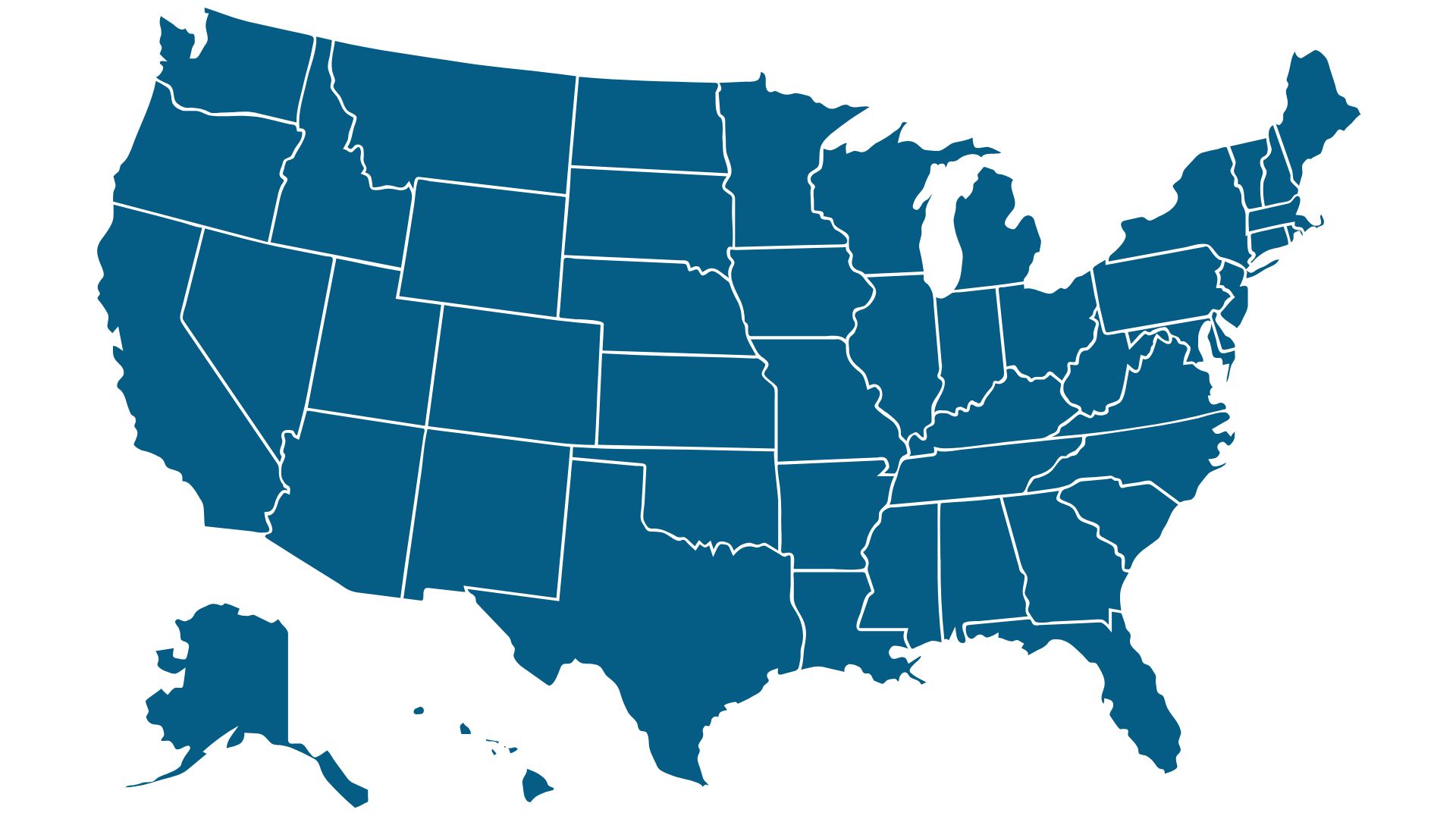
As of July 2026, the following states are full members of the NLC, meaning nurses who hold a compact license can practice in all of them:
- Alabama
- Arizona
- Arkansas
- Colorado
- Connecticut (joined October 2025)
- Delaware
- Florida
- Georgia
- Idaho
- Indiana
- Iowa
- Kansas
- Kentucky
- Louisiana
- Maine
- Maryland
- Mississippi
- Missouri
- Montana
- Nebraska
- New Hampshire
- New Jersey (joined 2024)
- New Mexico
- North Carolina
- North Dakota
- Ohio
- Oklahoma
- Pennsylvania (joined July 2025)
- Rhode Island (joined 2025)
- South Carolina
- South Dakota
- Tennessee
- Texas
- Utah
- Vermont (joined 2024)
- Virginia
- Washington (joined January 2024)
- West Virginia
- Wisconsin
- Wyoming
Guam has partial implementation and allows nurses who hold active, unencumbered multistate licenses from NLC member states to practice there. Always verify Guam's current status before accepting an assignment.
States with NLC enacted but awaiting full implementation
The following states have passed legislation to join the NLC but are still working through the implementation process. Nurses in these states cannot yet apply for a compact license, and incoming compact license holders may not yet have full practice privileges. Check with your state board for the most current timeline.
- Massachusetts
- Michigan
- Minnesota
- New York
States with pending NLC legislation
The following states have introduced legislation to join the NLC but have not yet enacted it into law. Nurses in these states should monitor updates through their state boards and through NCSBN.
- Alaska
- Hawaii
- Illinois
- Oregon
- Washington, D.C.
States not currently part of the NLC
A handful of states remain outside the compact with no active legislation at this time. California is the most notable. As the most populous state in the country and home to the largest nursing workforce, California has seen repeated attempts to pass compact legislation, but concerns around state sovereignty and regulatory standards have prevented it from moving forward. Nurses who want to work in California must apply for a separate California nursing license through the California Board of Registered Nursing.
Other states without current active compact legislation include California, Oregon (pending legislation introduced), and Hawaii (pending legislation introduced). Since the status of pending states can change, nurses should check nursecompact.com for the most current information before making licensing decisions.
What has changed since 2023?
The compact has grown meaningfully in the past three years. In 2023, there were 36 compact states. As of July 2026, that number has grown to more than 40 full member states. Here are the key changes:
- Washington joined as a full member in January 2024
- Nevada, New Jersey, and Vermont all joined in 2024
- Rhode Island, which was previously listed as having pending legislation, became a full member in 2025
- Pennsylvania, which had enacted legislation years earlier, completed full implementation in July 2025
- Connecticut joined as a full member in October 2025
- Massachusetts, Michigan, Minnesota, and New York have all enacted NLC legislation and are working through implementation
The future of nurse compact states
The Nurse Licensure Compact has changed the way nurses approach mobility, career planning, and emergency response across the country. What started as a handful of states sharing a licensing agreement has grown into a system that covers the majority of the U.S. nursing workforce.
As more states move through the legislation and implementation process, the compact will only become more useful. For nurses who want flexibility in where and how they work, holding a compact multistate license is one of the most practical professional decisions you can make.
If you live in a compact state and have not yet upgraded to a multistate license, contact your state board of nursing to find out how. If your state is still working toward membership, stay informed through NCSBN and your state nursing association.
Ready to apply for a multi-state license? Read more on how to apply for a compact state nursing license.