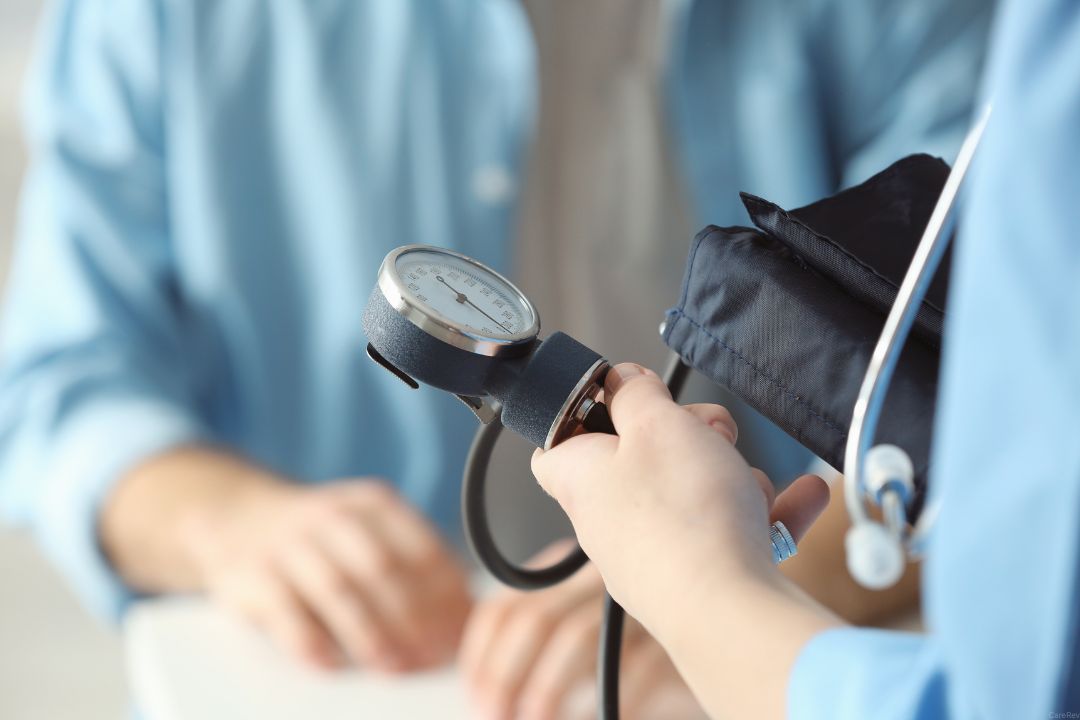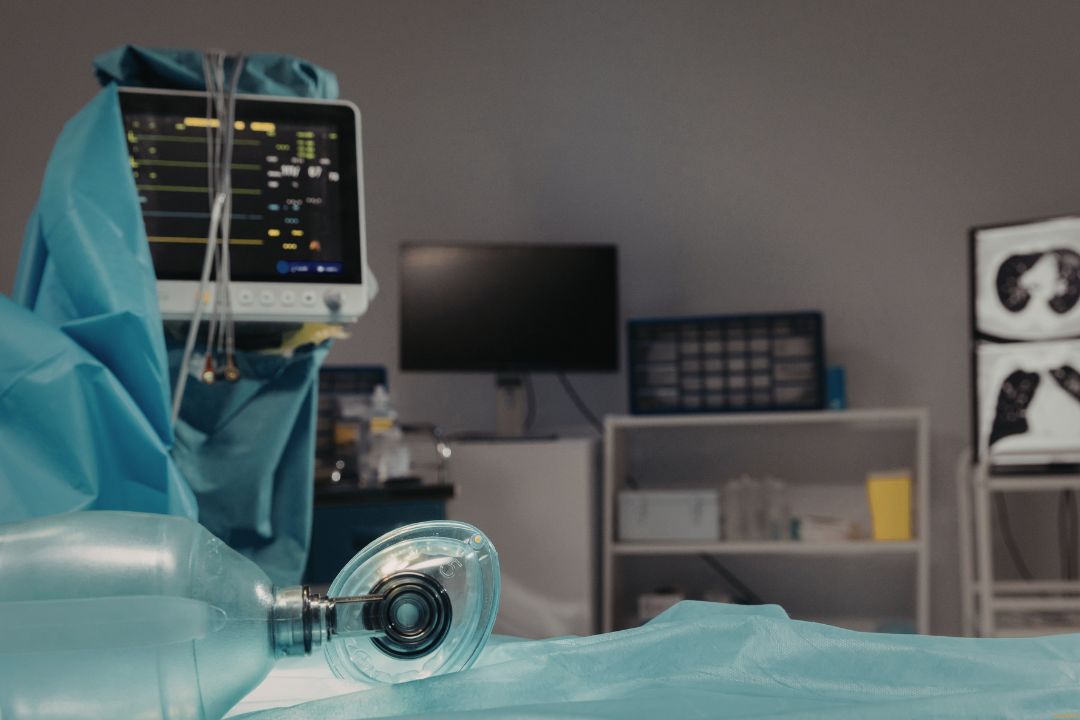
Not every patient who leaves the ICU is ready to be on a regular hospital floor. Some still need close monitoring, frequent assessments, and a nurse who can move quickly if something changes. That is where step-down nurses come in.
Step-down nursing sits in a unique middle ground in hospital care. These nurses work in units that go by several names, including progressive care units (PCUs), intermediate care units, and transitional care units. Whatever the name, the job is the same: providing a higher level of care than a standard medical-surgical floor, but one level below the intensive care unit.
If you are curious about what this role involves, what it takes to get there, and whether it might be the right fit for you, this guide covers everything you need to know.
What is a step-down nurse?
A step-down nurse is a registered nurse (RN) who cares for patients who are no longer critical enough to stay in the ICU but still need more attention than a general hospital floor can provide. Think of it as the bridge between intensive care and regular recovery.
These patients might be recovering from heart surgery, a serious infection, a neurological event, or a major procedure. They are often stable enough that they no longer need the full resources of an ICU team, but they are still at risk of deteriorating quickly if something is missed.
Step-down nurses are trained to watch for those changes. They know how to read cardiac monitors, manage complex medications, respond to early warning signs, and escalate care fast when a patient's condition shifts.
What does a step-down unit look like?
Step-down units, also called progressive care units or PCUs, are designed to support patients who need more than standard nursing care but less than the 1:1 or 1:2 ratios found in the ICU. In most step-down settings, nurses care for three to five patients per shift. That is still a lower ratio than what you would typically see on a med-surg floor.
These units are often located near the ICU within a hospital. Patients may be transferred to a step-down unit directly from the ICU, from the emergency department, or from a med-surg floor when their condition starts to worsen and requires a higher level of monitoring.
Some hospitals have general step-down units that serve a wide range of patients. Others run specialty step-down units focused on a specific area, such as cardiac, neurological, or surgical patients. The type of unit you work in will shape the specific skills and knowledge you lean on most.
Step-down nurse responsibilities
The day-to-day work of a step-down nurse is demanding and varied. No two shifts are exactly the same, and the patients you care for will have different conditions, different needs, and different levels of stability. Common responsibilities include:
- Monitoring patients continuously throughout each shift, noting any changes in vital signs, pain levels, or mental status
- Administering and adjusting complex medications, including IV drips and cardiac medications that require real-time titration
- Managing medical devices such as cardiac monitors, ventilators, chest tubes, arterial catheters, and feeding tubes
- Responding to code blue alerts and initiating rapid response protocols when a patient deteriorates
- Collaborating with physicians, respiratory therapists, physical therapists, and other members of the care team to adjust and carry out treatment plans
- Educating patients and their families about what to expect during recovery and how to prepare for discharge or transfer
- Completing thorough documentation for each patient across the shift
- Advocating for patients who may not be able to speak for themselves
One responsibility that often distinguishes step-down nursing from other specialties is titration. Step-down nurses frequently adjust IV medications, such as vasopressors or antiarrhythmics, in real time based on how a patient is responding. This requires a strong understanding of pharmacology and the confidence to act quickly.
Types of patients in a step-down unit
Step-down nurses work with a wide range of patients. While the specific mix depends on the hospital and unit type, most step-down nurses will care for some combination of the following:
- Cardiac patients recovering from arrhythmias, heart failure, or cardiac procedures
- Post-surgical patients who need close monitoring after major operations
- Neurological patients recovering from strokes, seizures, or traumatic brain injuries
- Pulmonary patients with conditions like COPD, pneumonia, or respiratory failure who have been weaned off ventilator support
- Patients with chronic illnesses that are worsening and require more attentive care than a general floor can provide
- Trauma patients who are stabilizing after an acute injury
Because the patient population is so varied, step-down nursing is a specialty that constantly pushes you to expand your clinical knowledge. You will rarely spend a week caring for the same types of patients in the same types of situations.
Skills that make a strong step-down nurse
Step-down nursing demands a specific combination of clinical skill and personal qualities. The technical side of the job is only part of what makes someone effective in this role.
Clinical skills
- Cardiac monitoring and rhythm interpretation
- Hemodynamic assessment and management
- Pulmonary care, including managing patients on high-flow oxygen or weaning from ventilators
- Wound management for post-surgical patients
- IV medication management and titration
- Use of monitoring equipment such as BiPAP, CPAP, and pulse oximetry
Soft skills
- Critical thinking and fast decision-making under pressure
- Strong organizational skills to manage multiple high-acuity patients at once
- Clear communication with patients, families, and the broader care team
- Empathy and emotional resilience when caring for patients in vulnerable states
- Adaptability, since patient conditions in a step-down unit can shift without warning
How to become a step-down nurse
Step-down nursing is not typically an entry-level role. Most hospitals expect nurses to build clinical experience before moving into a step-down unit. Here is a clear path to getting there.
Step 1: Earn your nursing degree
You will need to graduate from an accredited nursing program. Hospitals will accept either an Associate Degree in Nursing (ADN) or a Bachelor of Science in Nursing (BSN). That said, many hospitals now give preference to BSN-prepared nurses, particularly for specialty roles like step-down nursing, since the degree covers a broader range of clinical concepts and leadership skills.
Step 2: Pass the NCLEX-RN
After graduating, you must pass the National Council Licensure Examination for Registered Nurses, commonly known as the NCLEX-RN. Passing this exam is required to become a licensed RN in any U.S. state.
Step 3: Build foundational clinical experience
Most hospitals require at least one year of nursing experience before allowing nurses to transition into a step-down unit. Many nurses start in a med-surg, emergency department, or ICU setting before making the move. Solid experience in any of those environments will give you the foundation you need to handle the complexity of step-down care.
Step 4: Consider pursuing PCCN certification
The Progressive Care Certified Nurse (PCCN) credential, offered by the American Association of Critical-Care Nurses (AACN), is the most recognized certification for step-down nurses. It is not always required to get hired, but many hospitals look for it, and earning it demonstrates a high level of commitment to this specialty.
To qualify for the PCCN, you need an active RN or APRN license and either 1,750 direct clinical hours in acute care within the past two years or 2,000 hours within the past five years. The exam itself is a computer-based, 125-question test with a 2.5-hour time limit, administered through the AACN. Certification must be renewed every three years through continuing education or by retaking the exam.
Step-down nurse salary
Salaries for step-down nurses vary based on location, experience, education level, and whether you hold the PCCN certification. According to ZipRecruiter data, the average salary for a step-down or progressive care nurse in the U.S. is around $80,000 per year. In high-cost-of-living states like California, New York, and Massachusetts, that number can climb significantly higher.
Earning a PCCN certification can make a real difference in your earning potential. Many hospitals offer pay differentials or bonuses for certified nurses, and it also opens the door to more advanced unit roles and greater career mobility overall.
The pros and cons of step-down nursing
Like any nursing specialty, step-down nursing has its rewards and its challenges. Here is an honest look at both sides.
The rewards
- A lower patient-to-nurse ratio than most general hospital floors, typically 3:1 to 5:1
- Constant opportunity to sharpen your clinical skills across a wide range of conditions
- The ability to build real relationships with patients over the course of their recovery
- Strong job demand, as step-down nurses are needed in hospitals across the country
- A clear sense of impact when patients you helped stabilize recover and move on to a lower level of care
The challenges
- High patient acuity means the stakes are always elevated
- Mental fatigue is real, especially when managing multiple unstable patients at once
- Overnight and holiday shifts are common
- The job can be emotionally heavy when patients deteriorate despite the best care
Step-down nursing vs. ICU nursing: what is the difference?
It is easy to confuse step-down nursing and ICU nursing since they both involve high-acuity patients. The main differences come down to patient stability, nurse-to-patient ratios, and the level of medical intervention required.
ICU patients are the most critically ill. They often require life support equipment, intensive monitoring around the clock, and immediate intervention at any moment. ICU nurses typically care for one or two patients per shift because of how much attention each patient demands.
Step-down patients have moved past that level of crisis but still need more than routine monitoring. They may still be on cardiac monitors or supplemental oxygen, and they are still at risk of sudden changes, but they are generally considered more stable than ICU patients. Step-down nurses carry a larger patient assignment and coordinate more with rehabilitation and discharge planning teams as patients begin the transition toward going home.
Is step-down nursing right for you?
Step-down nursing tends to be a good fit for nurses who want more clinical depth than a general floor provides but are not drawn to the extreme acuity of the ICU. It is a specialty for nurses who thrive under pressure, enjoy variety, and find meaning in helping patients through one of the most uncertain stretches of their recovery.
If you have experience in med-surg, the ER, or the ICU and find yourself drawn to the patients in the middle, the ones who still need a lot of attention and careful watching, step-down nursing is worth exploring.
Nurses who are curious, organized, and calm under pressure tend to do well in this specialty. So do nurses who genuinely enjoy building relationships with patients and watching them improve shift by shift.
Find per diem step-down nursing shifts with CareRev
If you are a step-down nurse looking for more flexibility in your schedule, CareRev makes it easy to find and claim local per diem shifts on your terms. Whether you want to supplement your current position or build a schedule entirely around your life, CareRev connects you with hospitals and health systems that need experienced step-down nurses exactly when you are available.
Sign up with CareRev today and start finding step-down shifts in your area.