If you are thinking about a career in healthcare, or you are just beginning your training, there is a good chance you have heard the phrase "sterile technique." It gets mentioned in nursing programs, surgical training, and patient care settings around the world. But what does it actually mean? And why do experienced clinicians take it so seriously?
Sterile technique is one of the most important skills in all of healthcare. It is a set of practices designed to keep certain environments and medical tools completely free of harmful microorganisms. When done right, it protects patients from serious, sometimes life-threatening infections. When it is overlooked or done carelessly, the consequences can be severe.
This guide breaks down everything you need to know about sterile technique, whether you are a student, a newly hired healthcare worker, or simply someone curious about how hospitals keep patients safe.
Table of contents
- What is sterile technique?
- Why sterile technique matters for patient safety
- The core principles of sterile technique
- Sterile technique vs. clean technique: what's the difference?
- Step-by-step: how sterile technique is performed
- Common mistakes and how to avoid them
- Who uses sterile technique?
- How learning sterile technique can shape your healthcare career
What is sterile technique?
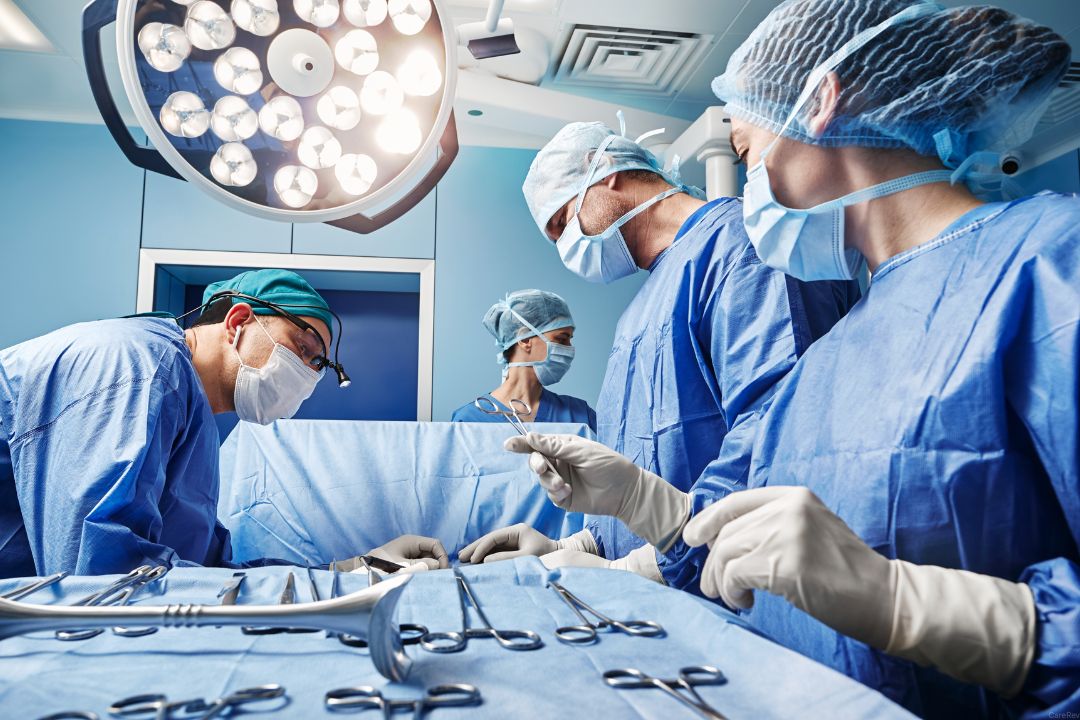
Sterile technique, sometimes called surgical asepsis, is a collection of practices used to prevent contamination during medical procedures. The goal is to create and maintain a completely germ-free environment, particularly when working with a patient's body in ways that could allow bacteria, viruses, or fungi to enter normally protected areas.
Think of it this way: your skin acts as a natural barrier that keeps out harmful microorganisms. But when a patient undergoes surgery, receives an IV line, or has a catheter inserted, that barrier is broken. At that point, any microorganism that enters the body can cause an infection. Sterile technique is what stands between the patient and that risk.
It is different from just washing your hands or wearing gloves. Sterile technique involves a specific and careful sequence of actions, all designed to ensure that anything coming in contact with a sterile area has not been exposed to potential contaminants.
Why sterile technique matters for patient safety
Healthcare-associated infections (HAIs) are infections that patients pick up during the course of receiving medical treatment. They are a significant problem in hospitals and care facilities across the country. According to the Centers for Disease Control and Prevention (CDC), on any given day, about 1 in 31 hospital patients has at least one HAI.
These infections are not just uncomfortable. They can lead to longer hospital stays, additional surgeries, serious complications, and in some cases, death. Many of them are preventable, and proper sterile technique is one of the most reliable tools healthcare workers have to prevent them.
Some of the most common infection risks that sterile technique helps address include:
- Surgical site infections (SSIs): Infections that occur at or near the area where surgery was performed
- Catheter-associated urinary tract infections (CAUTIs): Infections linked to urinary catheters that are not inserted or maintained properly
- Central line-associated bloodstream infections (CLABSIs): Infections that enter the bloodstream through IV lines or central catheters
- Ventilator-associated pneumonia (VAP): Lung infections that can develop in patients on breathing machines
Every one of these infection types is connected to clinical procedures where sterile technique plays a role. That is why healthcare teams take it so seriously. It is not about following rules for the sake of rules. It is about real people, real patients, and real outcomes.
The core principles of sterile technique
Sterile technique is built on a set of consistent principles that guide how clinicians behave around sterile fields and equipment. These principles do not change based on the setting or situation. They apply whether you are in an operating room, a hospital room, or an outpatient clinic.
1. Only sterile items may touch sterile items
This is the foundation of sterile technique. If a sterile item makes contact with anything that is not sterile, it is immediately considered contaminated and must be replaced. There are no exceptions. This includes clothing, hands, equipment, and surfaces.
2. Sterile fields must be constantly watched
A sterile field is any area that has been set up and designated as free of microorganisms. Once a sterile field is established, it must never be left unattended. A sterile surface that is out of sight, even briefly, is considered potentially contaminated because you cannot guarantee what may have touched it.
3. Sterile items must stay within the sterile field
When working with sterile equipment or materials, they must stay within the boundaries of the sterile field. Reaching over or around the sterile field, especially with non-sterile items, can introduce contaminants.
4. The edges of a sterile field are not sterile
Even the cleanest sterile drape or packaging has a margin. The outer one inch of any sterile field is considered non-sterile, because those edges can come into contact with non-sterile surfaces during setup. Clinicians are trained to work only in the center of the sterile field, away from the edges.
5. Sterile technique requires proper attire
In most settings where sterile technique is required, healthcare workers wear sterile gloves, gowns, masks, and sometimes caps and shoe covers. The purpose is to create a physical barrier between the clinician's body and the sterile environment.
6. Moisture carries contamination
Wet or damp surfaces allow microorganisms to travel more easily. If a sterile drape becomes wet or soaked through, the area it was covering is considered contaminated. This principle applies to sterile packaging as well. Any sterile item with wet, torn, or damaged packaging should not be used.
7. When in doubt, throw it out
This is one of the most repeated phrases in clinical training, and for good reason. If you are not certain whether an item or area is still sterile, you treat it as contaminated and start fresh. The cost of a new set of sterile gloves is nothing compared to the cost of a preventable infection.
Sterile technique vs. clean technique: what's the difference?
People new to healthcare often wonder about the difference between sterile technique and clean technique. They are related, but they are not the same thing.
Clean technique, sometimes called medical asepsis, focuses on reducing the number of microorganisms and preventing their spread. It includes practices like handwashing, wearing non-sterile gloves, and keeping the care environment clean. Clean technique is used in everyday patient care tasks, like taking a blood pressure reading or changing a wound dressing that is healing well.
Sterile technique goes further. It aims to eliminate all microorganisms from a specific area or set of tools. It is used for more invasive procedures, where microorganisms entering the body could cause serious harm.
A practical way to think about it: clean technique keeps things reasonably germ-free. Sterile technique makes things as close to germ-free as medically possible.
The right technique depends on the clinical situation. Most bedside nurses use clean technique throughout the day. But when placing a catheter, assisting in surgery, or changing a dressing on a deep wound, the standard shifts to sterile technique.
Step-by-step: how sterile technique is performed
The exact steps may vary slightly depending on the procedure and the healthcare setting, but the general process looks like this:
Step 1: Hand hygiene
Before anything else, the clinician performs thorough hand hygiene. In sterile settings, this often means a surgical scrub using an antimicrobial soap or alcohol-based product, scrubbing the hands and forearms for a specific amount of time.
Step 2: Gather and inspect supplies
All necessary sterile supplies are gathered before beginning. Each item is inspected for intact packaging, correct expiration dates, and no signs of moisture or damage. Anything that does not meet these standards is discarded.
Step 3: Set up the sterile field
A sterile drape is opened and placed on a flat, clean surface. The way the drape is opened matters, touching only the corners, keeping the inside surface facing up, and avoiding any non-sterile contact. This becomes the sterile field.
Step 4: Add sterile items to the field
Sterile items are added to the field without contaminating them. This may mean opening packaging and dropping items onto the sterile field, or having a second person add items while the first maintains sterile gloves. Items are placed in the center of the field, not near the edges.
Step 5: Put on sterile gloves and gown (if required)
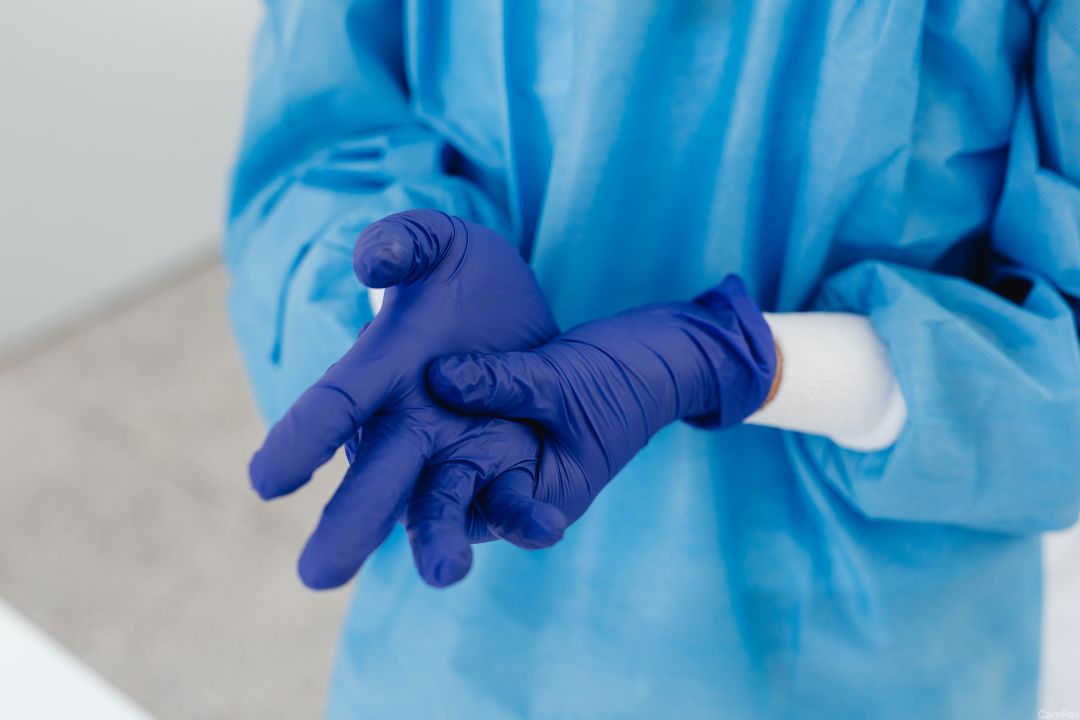
For many procedures, the clinician must put on a sterile gown and gloves using a specific technique that prevents touching the outside surface of the gloves with bare hands. This step is practiced many times in training before it becomes second nature.
Step 6: Perform the procedure
Once everything is in place, the clinical procedure is carried out. The clinician maintains awareness of the sterile field throughout, avoiding any movements or actions that could introduce contaminants.
Step 7: Dispose of materials properly
After the procedure is complete, used supplies are disposed of safely and according to facility protocols. The sterile field is taken down, and hand hygiene is performed again.
Common mistakes and how to avoid them
Even experienced healthcare workers can make errors when it comes to sterile technique, especially when they are tired, rushed, or working in a distracting environment. Here are some of the most common mistakes, and how to guard against them:
- Reaching over a sterile field: Passing your arm or body over a sterile field, even briefly, can drop particles or microorganisms onto it. The correct approach is to work from the sides of the field, never above it.
- Turning your back on the sterile field: The moment you cannot see the sterile field, it is considered potentially contaminated. If you must step away, the field should be covered or the procedure should be restarted.
- Opening sterile packaging too quickly: Rushing through opening a sterile package increases the risk of the contents touching a non-sterile surface. Slow, deliberate movements help maintain sterility.
- Wearing gloves too long: Sterile gloves are not meant for extended use. Over time, they can develop micro-tears, and handling non-sterile items can compromise them. Changing gloves when required is important.
- Skipping the inspection step: It can be tempting to grab supplies quickly without checking packaging. But expired products, wet packaging, or small tears can all mean the contents are no longer sterile.
The common thread in all of these mistakes is speed. Sterile technique works best when clinicians slow down, stay focused, and resist the pressure to cut corners, even when a unit is busy.
Who uses sterile technique?
Sterile technique is used across many healthcare roles and settings. It is not limited to operating rooms or surgeons, though that is where many people first think of it.
Here are some of the clinical roles where sterile technique is a regular part of the job:
- Surgical nurses and surgical technologists: These professionals work directly in the operating room, maintaining sterile fields and handling sterile instruments throughout procedures.
- Registered nurses (RNs): Many RNs perform sterile procedures such as urinary catheter insertions, IV placement, wound care, and central line dressing changes.
- Nurse practitioners and physician assistants: These advanced practice clinicians often perform procedures in clinic and hospital settings that require sterile technique.
- Physicians and surgeons: Surgeons follow strict sterile protocols for every procedure they perform, from minor outpatient procedures to major operations.
- Interventional radiologists and cardiologists: Procedures like cardiac catheterizations and image-guided biopsies require sterile environments.
- Respiratory therapists: Managing ventilators and airways in critical care often involves sterile protocols.
- Wound care nurses: Managing chronic or surgical wounds frequently requires sterile technique to prevent infection.
If you are considering any clinical healthcare career, there is a good chance sterile technique will be part of your training and your daily practice.
How learning sterile technique can shape your healthcare career
Understanding and practicing sterile technique well is one of the things that separates a capable clinician from an excellent one. It is a skill that takes practice, focus, and a real commitment to patient safety.
For aspiring healthcare professionals, mastering sterile technique during your training is an investment that pays off throughout your career. Facilities that use tools like CareRev to connect with qualified per diem staff look for clinicians who bring strong fundamentals, situational awareness, and a safety-first mindset to every shift. Sterile technique is central to all of that.
It also reflects something important about how good healthcare workers think. When you take the extra moment to inspect a package, maintain your sterile field, or speak up when something does not look right, you are prioritizing the patient in front of you. That kind of mindset is what the best healthcare environments are built on.
Sterile technique and patient safety
Sterile technique might seem like a technical concept at first. But at its core, it is about something simple and human: keeping patients safe during moments when they are at their most vulnerable.
If you are beginning your healthcare education, practicing these principles now will build habits that protect the patients you care for throughout your career. And if you are curious about what a career in healthcare actually looks like from shift to shift, tools like CareRev give clinical professionals the flexibility to work across facilities while bringing those core skills with them wherever they go.
Patient safety starts with the people at the bedside, and it starts with the basics done right.