Histologists play a critical but often behind-the-scenes role in modern healthcare. If you are interested in laboratory science, enjoy precision-based work, and want a career that directly supports medical diagnosis, becoming a histologist may be a strong fit.
This guide breaks down what histologists do, how to enter the field, and what you can expect in terms of pay and career growth.
What is a histologist?
A histologist is a laboratory professional who prepares tissue samples for microscopic examination. These samples help pathologists diagnose diseases, including cancer, autoimmune disorders, and infectious conditions.
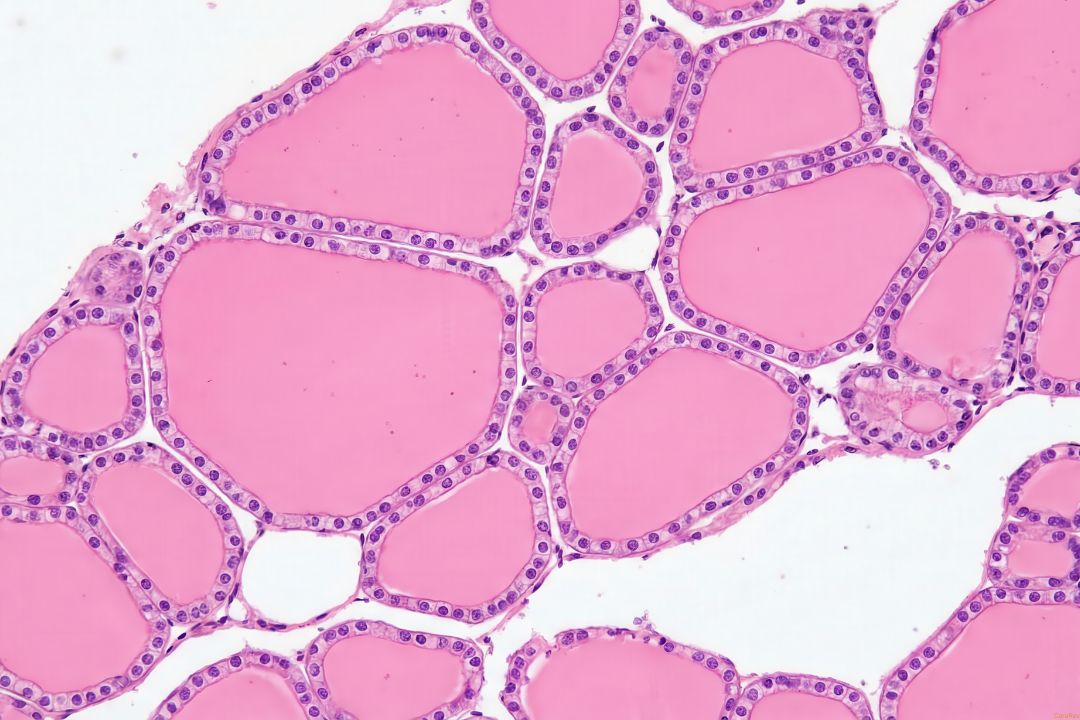
Histologists focus on the technical preparation of tissues so that cellular structures are preserved, stained, and clearly visible under a microscope. Their accuracy directly affects diagnostic quality.
What does a histologist do day to day?
Histologists spend most of their time working in clinical or research laboratories. Their work is methodical and detail-driven, with little direct patient interaction.
Typical responsibilities include:
- Receiving and labeling tissue specimens
- Fixing, embedding, and sectioning tissue samples
- Operating microtomes and other laboratory equipment
- Staining slides using routine and specialized techniques
- Maintaining lab safety and quality control standards
- Documenting procedures and results accurately
In larger labs, histologists may specialize in certain staining methods or tissue types, while smaller labs often require broader skill sets.
Where histologists work
Histologists are employed across a range of healthcare and research environments.
Common work settings include:
- Hospital pathology laboratories
- Independent diagnostic laboratories
- Research institutions and universities
- Biotechnology and pharmaceutical companies
- Government or public health laboratories
Most histologists work indoors in controlled lab environments during standard business hours, though hospital-based roles may include evenings or weekends.
How histologists support patient care
Although histologists rarely interact with patients, their work directly impacts patient outcomes. Poorly prepared tissue samples can delay or compromise diagnoses.
Histologists support patient care by:
- Ensuring tissue integrity for accurate diagnosis
- Supporting pathologists with high-quality slide preparation
- Helping identify disease progression or treatment effectiveness
- Reducing diagnostic errors through precise lab techniques
This role is ideal for professionals who want meaningful clinical impact without bedside care.
Education requirements to become a histologist
Most histologists complete formal education in histology or laboratory science before entering the field.
Common educational paths include:
- Associate degree in histotechnology or laboratory science
- Bachelor’s degree in biology, medical laboratory science, or a related field
- Completion of a histology-focused training program
Hands-on clinical training is a key component, as employers expect strong technical proficiency from day one.
Certification and licensing expectations
While requirements vary by state and employer, professional certification is widely preferred and often required.
Certification demonstrates competency in:
- Tissue processing and embedding
- Microtomy and staining techniques
- Laboratory safety and compliance
- Quality assurance standards
Some states also require laboratory personnel licensure, so it is important to check local regulations when planning your career path.
Skills and traits that lead to success
Histology is not a fast-paced clinical role, but it demands focus, precision, and consistency.
Successful histologists typically possess:
- Strong attention to detail
- Manual dexterity and steady hand coordination
- Comfort working independently
- Interest in anatomy and cellular biology
- Commitment to accuracy and quality control
If you enjoy structured work and take pride in technical excellence, histology can be a highly satisfying career.
Histologist salary expectations
Histologist salaries vary based on education, certification, experience, and geographic location.
In general, histologists can expect:
- Competitive entry-level wages compared to other lab roles
- Higher pay with certification and specialization
- Increased earning potential in hospital systems and research labs
According to ZipRecruiter, the average Histologist salary in the United States in 2026 is $64,951. That works out to approximately $31.23 an hour. Salaries vary by employer and location. Shift differentials, overtime, and specialized staining expertise can further influence compensation.
Job outlook and career advancement
The demand for histologists remains strong due to aging populations, cancer screening programs, and advances in diagnostic medicine.
Career advancement options include:
- Senior or lead histologist roles
- Laboratory supervisor or manager positions
- Specialization in immunohistochemistry or molecular techniques
- Transition into education, research, or quality assurance
Some histologists also use their experience as a foundation for advanced laboratory or pathology-related careers.
Pros and cons of a histologist career
Like any healthcare role, histology has advantages and trade-offs.
Potential benefits include:
- Minimal patient interaction
- Predictable work environments
- Strong clinical impact
- Opportunities for specialization
Potential challenges include:
- Repetitive tasks
- High accuracy expectations
- Limited public awareness of the role
Understanding both sides helps set realistic expectations.
Is a histologist career right for you?
If you are drawn to science, value precision, and want a stable healthcare career without bedside responsibilities, histology offers a compelling path. The role rewards careful, methodical professionals who take pride in producing high-quality work that supports life-changing medical decisions.
For the right person, a histologist career combines scientific rigor, job stability, and meaningful contribution to patient care behind the scenes.