Radiation therapy is one of the most precise and technically advanced treatments in modern medicine, and behind every well-executed radiation plan is a medical dosimetrist. These specialists play a critical role in shaping radiation doses to target cancer effectively while protecting healthy tissue. If you’re exploring careers in radiation oncology or looking to advance within the field, understanding what a medical dosimetrist does (and how to become one) is an important first step.
What a Medical Dosimetrist is
A medical dosimetrist is a specialized radiation oncology professional who designs, calculates, and helps implement radiation treatment plans so patients receive the prescribed dose to the tumor while limiting exposure to healthy tissue. In practice, dosimetrists translate a radiation oncologist’s intent into a deliverable plan that can be safely carried out on a linear accelerator (or other modality) with appropriate quality and accuracy.
Why This Role is So Important in Cancer Care
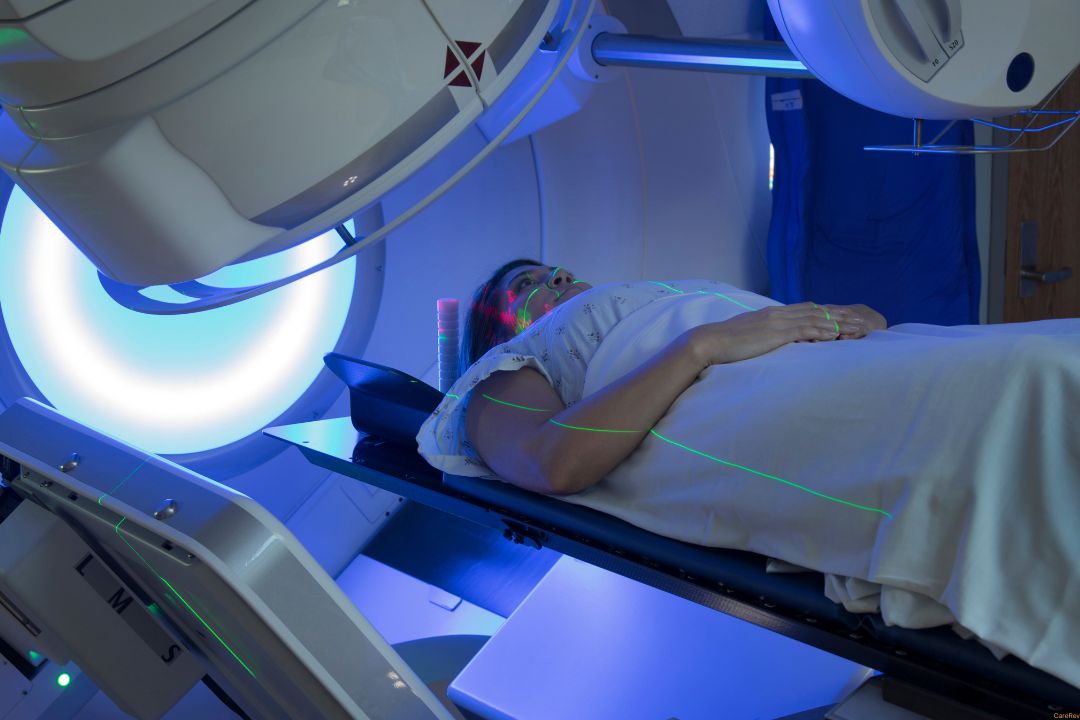
Radiation therapy is powerful: it can control or cure disease, relieve symptoms, and improve quality of life. That same power creates risk if the dose is inaccurate or poorly shaped. The medical dosimetrist sits at the center of that balance, maximizing dose where it’s needed and minimizing dose where it’s not.
A strong dosimetry plan can:
- Improve tumor coverage and treatment effectiveness
- Reduce side effects by sparing organs at risk (OARs)
- Support more advanced techniques (IMRT/VMAT, stereotactic treatments, protons, brachytherapy planning support depending on the clinic)
- Add a meaningful safety layer through careful plan review and adherence to planning/implementation procedures
Where Medical Dosimetrists Work
Most medical dosimetrists work in:
- Hospital-based radiation oncology departments
- Cancer centers and comprehensive oncology networks
- Academic medical centers
- Some remote or hybrid planning roles (depending on the employer and state policies)
They collaborate closely with radiation oncologists, medical physicists, radiation therapists, nurses, and other oncology staff as part of the broader radiation oncology care team.
What Medical Dosimetrists Do Day to Day
Responsibilities vary by clinic and case mix, but commonly include:
- Treatment Planning And Dose Calculation - Creating patient-specific plans using a treatment planning system (TPS), meeting physician intent and protocol constraints.
- Plan Optimization And Organ Sparing - Iterating beam arrangements, arcs, energy selection, and optimization objectives to improve target coverage while respecting OAR constraints.
- Documentation And Communication - Presenting plans for review, communicating tradeoffs, and ensuring planning intent is understood by the team.
- Support For Safe Treatment Delivery - Providing oversight and coordination related to how the plan will be implemented clinically (often in partnership with physics and therapy).
- Ongoing Learning With Technology Changes - Dosimetry evolves quickly with new planning algorithms, imaging integration, and delivery techniques – so continuing education is part of the job.
The Radiation Oncology Team And How Dosimetry Fits
It helps to understand “who owns what” in the workflow:
- Radiation Oncologist: defines clinical intent (targets, dose, fractionation, priorities)
- Medical Dosimetrist: designs and optimizes the plan to achieve that intent
- Medical Physicist: ensures technical accuracy, performs/oversees quality assurance, validates systems and processes
- Radiation Therapist: delivers treatment, performs daily setup and verification imaging, follows the approved plan
Dosimetry is the bridge between the physician’s prescription and the deliverable plan that a therapist can accurately execute on a treatment machine.
Skills That Make Someone Successful In Dosimetry
Medical dosimetrists are a mix of clinical thinker, technical planner, and safety-minded collaborator. Common success traits include:
- Strong spatial reasoning and attention to detail
- Comfort with anatomy, imaging (CT/MRI/PET concepts), and radiation physics fundamentals
- Analytical decision-making (tradeoffs are constant in planning)
- Clear communication and ability to take feedback
- Calm, process-driven mindset (patient safety depends on consistency)
Education Pathways to Become a Medical Dosimetrist
In the U.S., the most straightforward pathway is completing an accredited medical dosimetry program and then pursuing professional certification.
A common route looks like:
- Earn A Bachelor’s Degree (field can vary; some candidates come from radiation therapy, radiologic sciences, or other science backgrounds)
- Graduate From A JRCERT-Accredited Medical Dosimetry Program (often 12 months or longer; may be a certificate, post-baccalaureate, or master’s format depending on the school)
- Sit For The MDCB Certification Exam to earn the Certified Medical Dosimetrist (CMD) credential
Why JRCERT Accreditation Matters
JRCERT is the recognized accreditor for medical dosimetry educational programs (among other imaging/radiation disciplines) and is recognized by the U.S. Department of Education for these program types. Graduating from a JRCERT-accredited medical dosimetry program is a key eligibility element for the MDCB certification exam.
Prerequisites You May See
Prerequisites vary by program, but many expect some combination of:
- Prior clinical exposure to radiation oncology (common for applicants coming from radiation therapy)
- Anatomy and physiology, math, basic physics
- Strong academic standing and professional references
Some programs explicitly prefer or require a background in radiation therapy (for example, some university-based programs list ARRT radiation therapy certification as an admissions requirement), while others accept a wider range of candidates with the right science/clinical preparation. Always check individual program requirements.
Certification: The CMD Credential
The Medical Dosimetrist Certification Board (MDCB) offers the certification exam leading to the Certified Medical Dosimetrist (CMD) credential. MDCB outlines baseline eligibility that includes:
- A minimum of a bachelor’s degree (in any discipline)
- Graduation from a JRCERT-accredited medical dosimetry program of at least 12 months
MDCB also maintains an applicant handbook and ongoing requirements tied to renewal/maintenance of certification.
How Long it Takes To Become a Medical Dosimetrist
A realistic planning timeline (varies by your starting point):
- If You’re Starting From Scratch: Bachelor’s degree (typically 4 years) + medical dosimetry program (often 12+ months) + certification exam timeline.
- If You’re Already In Radiation Therapy Or A Related Field: You may be able to move more quickly once prerequisites are complete, because you already understand oncology workflow, imaging, and clinical operations.
The key variables are your existing education, whether you need prerequisite coursework, and how quickly you can enter an accredited program.
Job Outlook and Salary Expectations
The U.S. Bureau of Labor Statistics (BLS) includes medical dosimetrists in its Occupational Outlook Handbook, describing the role as calculating radiation doses and designing/overseeing treatment plans for cancer and other serious diseases. For current national pay and outlook details, BLS is the most defensible baseline source to cite and benchmark against.
According to the US BLS, as of May 2024, the median annual wage for medical dosimetrists was $138,110.
(Within any given market, compensation often depends on modality mix, case complexity, clinic volume, and whether the role includes broader planning leadership responsibilities.)
What to Look for When Choosing a Dosimetry Program
When evaluating programs, focus on outcomes and clinical rigor:
- JRCERT Accreditation Status (non-negotiable if your goal is straightforward CMD eligibility)
- Clinical Training Depth: variety of cases (head & neck, thorax, pelvis), exposure to modern techniques
- Graduate Outcomes: job placement, board exam pass rates (when published)
- Faculty And Clinical Preceptor Support: plan review quality and feedback culture
- Technology Exposure: modern TPS workflows, image guidance concepts, and documentation standards aligned with real clinics
A Practical Step-By-Step Plan if You’re Interested in This Career
1. Talk to a Radiation Oncology Department
Ask to shadow or interview a dosimetrist. The day-to-day reality matters, and it’s the fastest way to confirm fit.
2. Map Your Starting Point
- Do you already have a bachelor’s degree?
- Do you have clinical experience in radiation oncology?
- Do you need prerequisites before applying?
3. Shortlist JRCERT-Accredited Programs
Use JRCERT and program sites to confirm accreditation and admissions requirements.
4. Prepare a Competitive Application
Emphasize: attention to detail, technical aptitude, comfort with feedback loops, and patient-safety mindset.
5. Complete the Program and Track CMD Eligibility Requirements
Ensure you’re aligning with MDCB requirements as you progress.
6. Sit for the CMD Exam And Plan for Ongoing Maintenance
Certification is a professional standard, and maintenance expectations are part of long-term career planning.
Common Questions About Medical Dosimetry
Is a Medical Dosimetrist the Same as a Radiation Therapist?
No. Radiation therapists primarily deliver daily treatments and manage patient setup and verification processes. Medical dosimetrists primarily design and calculate the treatment plan that therapists deliver, working closely with physicians and physicists.
Do You Need to Be a Radiation Therapist First?
Not always. Many dosimetrists come from radiation therapy, but programs can have different prerequisite structures. Some explicitly require radiation therapy credentials; others may accept other science/clinical backgrounds if prerequisites are met.
What Credential Should I Expect Employers to Want?
In many U.S. settings, the CMD credential is a widely recognized standard for demonstrating specialized competency in medical dosimetry.
Final Takeaway
Medical dosimetrists are essential to safe, effective radiation therapy. If you like technical problem-solving, anatomy and imaging, and collaborating in a high-stakes clinical environment where precision matters, dosimetry can be a strong long-term career. The most direct path is a bachelor’s degree, graduation from a JRCERT-accredited medical dosimetry program, and CMD certification through MDCB.