If you work as a nurse aide in North Carolina, you’ve probably noticed something confusing: across most of the country, people talk about CNAs, but in North Carolina, the official term is nurse aide. That difference is more than semantics. It affects certification, job titles, registries, and even how employers post shifts.
This guide breaks it all down: what a nurse aide is, how North Carolina differs from other states, and what you need to know to work confidently and compliantly.
What is a nurse aide?
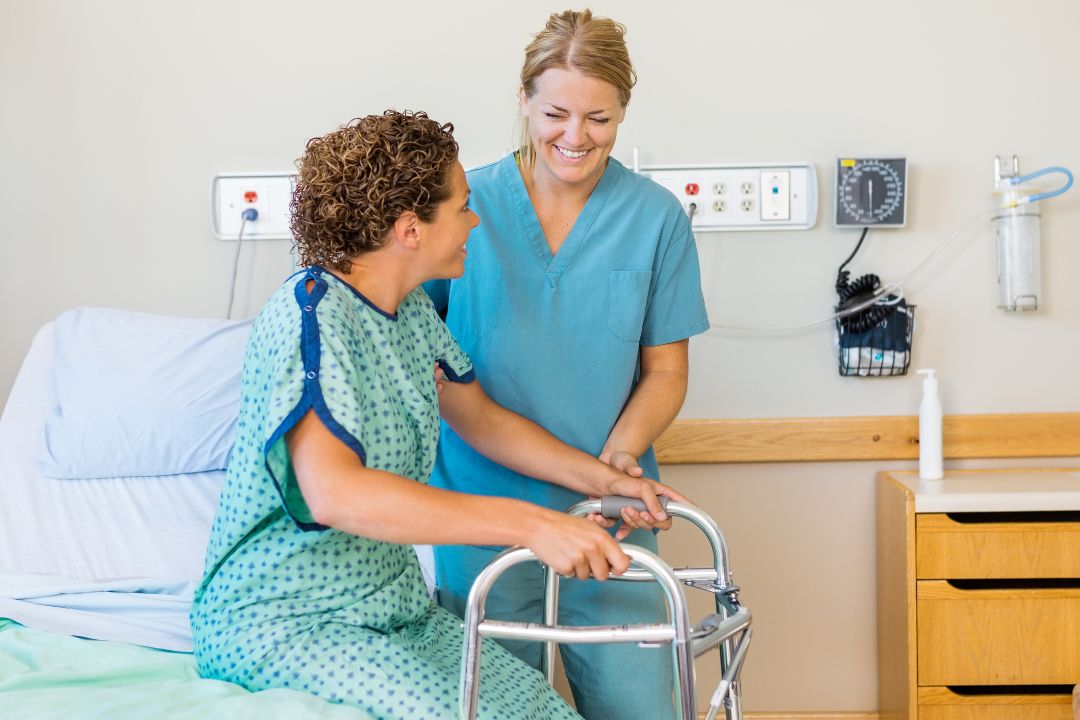
A nurse aide is a healthcare professional who provides hands-on, non-licensed patient care under the supervision of a registered nurse (RN) or licensed practical nurse (LPN). Nurse aides are essential in settings like:
- Hospitals
- Skilled nursing facilities
- Long-term care and rehab centers
- Assisted living communities
Day to day, nurse aides focus on basic patient care and comfort, helping patients with activities they may not be able to do independently.
Typical nurse aide responsibilities
While duties can vary by facility, most nurse aides are responsible for:
- Assisting with bathing, grooming, dressing, and toileting
- Helping patients move, transfer, or reposition safely
- Measuring and recording vital signs
- Supporting mobility and ambulation
- Observing and reporting changes in patient condition
- Maintaining a clean, safe care environment
These tasks may seem routine, but they are foundational to patient dignity, safety, and recovery.
Nurse aide vs CNA: why North Carolina is different
In most U.S. states, the role is formally called Certified Nursing Assistant (CNA). In North Carolina, the official title is Nurse Aide I (NA I) or Nurse Aide II (NA II).
Here’s the key distinction:
- CNA is a common national term
- Nurse aide is the legally recognized title in North Carolina
If you are certified and listed on the North Carolina Nurse Aide Registry, you are functionally equivalent to a CNA in another state, but your title and regulatory structure are state-specific.
Nurse aide I vs nurse aide II in North Carolina
North Carolina recognizes two levels of nurse aides, each with different scopes of practice.
Nurse aide I (NA I)
This is the entry-level certification and the most common role.
- Must complete a state-approved training program
- Must pass the North Carolina Nurse Aide I competency exam
- Can work in hospitals, nursing homes, and long-term care
Most nurse aides in North Carolina are NA I.
Nurse aide II (NA II)
NA II is an advanced designation with expanded clinical skills.
- Requires active NA I status
- Additional state-approved training
- Expanded duties such as oxygen therapy or advanced patient monitoring (facility-dependent)
Not all facilities require or utilize NA II staff, but it can open doors to higher-acuity settings.
Certification and registry requirements in North Carolina
To work as a nurse aide in North Carolina, you must:
- Complete a North Carolina DHSR–approved training program
- Pass both the written and skills competency exam
- Be listed as active on the North Carolina Nurse Aide Registry
Unlike some states, employers in North Carolina are legally required to verify registry status before you can work.
Maintaining active status typically requires documented paid work as a nurse aide within a defined period. If you lapse, retraining or re-testing may be required.
Where nurse aides work in North Carolina
Nurse aides in North Carolina work across a wide range of care settings, including:
- Acute care hospitals
- Skilled nursing facilities (SNFs)
- Rehabilitation centers
- Long-term care and memory care communities
Shift availability, patient ratios, and acuity levels can vary widely depending on the setting.
Pay and demand for nurse aides in North Carolina
Demand for nurse aides remains strong across the state, driven by:
- An aging population
- Ongoing staffing shortages
- Increased patient acuity in post-acute care
Pay rates vary based on location, experience, shift type, and facility needs. Many nurse aides increase their earning potential by picking up per diem or flexible shifts rather than relying solely on full-time roles.
Finding nurse aide shifts in North Carolina
If you’re looking for flexible nurse aide work in North Carolina, there are more options than ever. Many facilities now rely on on-demand staffing to fill gaps, cover call-outs, and manage census spikes.
Through CareRev, nurse aides can access per diem shifts across North Carolina, choosing when and where they work.
Final thoughts for aspiring nurse aides
If you work as a nurse aide in North Carolina, understanding the state-specific terminology matters. While the rest of the country may say “CNA,” nurse aide is the official role here, and it comes with clear certification, registry, and scope-of-practice requirements.
Whether you’re just entering the field or looking for more flexible work options, knowing how North Carolina defines and regulates nurse aides helps you protect your license, your income, and your career path.