Going to the hospital or a medical clinic is supposed to make you better. But in some cases, patients leave with an infection they did not have when they arrived. These infections have a name: healthcare-associated infections, or HAIs.
HAIs are a serious and widespread problem in healthcare. They affect hundreds of thousands of people in the United States every year, leading to longer hospital stays, more complicated recoveries, and in some cases, death. Yet many of these infections are preventable.
This article breaks down what HAIs are, why they happen, the most common types, and what hospitals and their clinical staff do to keep patients safe.
What is a healthcare-associated infection?
A healthcare-associated infection is an infection a patient picks up during the course of receiving medical care. This can happen in a hospital, a surgery center, a dialysis clinic, a long-term care facility, or even a doctor's office.
You may also hear the older term "nosocomial infection," which means the same thing. According to research published in the National Institutes of Health, HAIs typically emerge 48 hours or more after a patient is admitted, or within 30 days of a medical procedure.
The germs that cause these infections are often bacteria, viruses, or fungi. They can spread through:
- Unclean hands of healthcare workers or visitors
- Medical devices like catheters, breathing tubes, or IV lines
- Surfaces and equipment that have not been properly cleaned
- Surgical procedures where germs enter an open wound
By the numbers
On any given day, about 1 in 31 hospital patients in the United States has at least one healthcare-associated infection. Each year, more than half a million people get an HAI while being treated at a hospital, and these infections cause roughly 75,000 deaths annually and add an estimated $28 to $33 billion in extra healthcare costs.
Source: CDC / NC Department of Public Health
The most common types of HAIs
There are several well-known categories of healthcare-associated infections. Each one is linked to a specific type of medical device, procedure, or setting.
Catheter-associated urinary tract infection (CAUTI)
A urinary catheter is a small tube inserted into the bladder to help drain urine, often used during surgery or when a patient cannot use the restroom on their own. If germs travel along the tube into the bladder, a urinary tract infection can develop. CAUTIs are among the most commonly reported HAIs in hospitals.
Central line-associated bloodstream infection (CLABSI)
A central line is a long, thin tube placed into a large vein, usually in the neck, chest, or arm, to deliver medications or fluids directly into the bloodstream. If bacteria or fungi enter through this line, they can cause a serious bloodstream infection. CLABSIs can be life-threatening and often require intensive treatment.
Surgical site infection (SSI)
A surgical site infection occurs when germs get into the area where surgery was performed, either at the surface of the skin or deeper in the tissue or organ. Signs can include redness, swelling, pain, or discharge near the incision. SSIs can slow down recovery significantly and sometimes require additional surgery.
Ventilator-associated pneumonia (VAP)
A ventilator is a machine that helps a patient breathe through a tube placed in the airway. If germs travel down that tube and into the lungs, pneumonia can develop. VAP is most common in intensive care units (ICUs), where patients are often very sick and highly vulnerable.
Clostridioides difficile infection (C. diff)
C. diff is a type of bacteria that causes severe diarrhea and colon inflammation. It often affects patients who have been on antibiotics, because the medication can wipe out the healthy bacteria in the gut, giving C. diff room to grow. It spreads easily on surfaces and through contact with infected individuals.
MRSA (Methicillin-resistant Staphylococcus aureus)
MRSA is a type of staph bacteria that has become resistant to many common antibiotics, making it much harder to treat. It can cause skin infections, pneumonia, and bloodstream infections. MRSA spreads through direct contact and is a growing concern in both hospital and community settings.
Why are hospital patients at higher risk?
It might seem strange that a place designed to heal people can also be a source of infection. But hospitals and medical facilities are unique environments that create conditions where infections can spread more easily.
Patients in hospitals are often already sick or recovering from surgery. Their immune systems may be weakened, making it harder for their bodies to fight off germs that a healthy person could handle without a problem. Many patients also have open wounds, invasive medical devices, or are receiving medications that affect their immune response.
At the same time, healthcare settings are shared spaces. Many people, including patients, visitors, doctors, nurses, and other staff, move through the same areas. Germs can travel on hands, clothing, equipment, and shared surfaces. Without careful, consistent infection prevention practices, those germs can move from one patient to another.
Overuse of antibiotics also plays a role. When antibiotics are used too often or incorrectly, bacteria can develop resistance to them. This makes certain infections much harder to treat and increases the danger they pose to vulnerable patients.
How are HAIs prevented?
The good news is that a large share of healthcare-associated infections can be prevented. Hospitals and healthcare facilities use a combination of clinical practices, technology, and culture to reduce risk.
Hand hygiene
According to the CDC, hand hygiene is the single most important step in preventing the spread of infection in healthcare settings. Proper handwashing or use of alcohol-based hand sanitizer before and after patient contact removes germs before they can spread. Healthcare workers are trained to wash hands at key moments throughout every shift, including before touching a patient, before and after a procedure, and after contact with potentially contaminated surfaces.
Personal protective equipment (PPE)
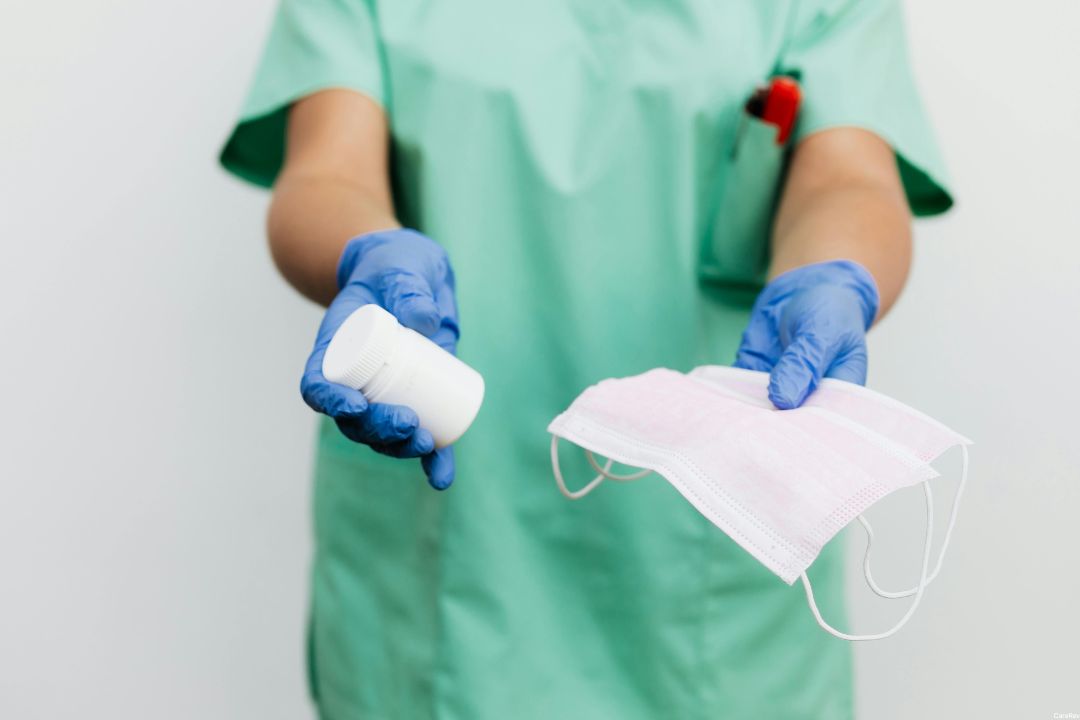
Gloves, masks, gowns, and eye protection help create a barrier between healthcare workers and potentially infectious material. Proper use of PPE protects both the patient and the clinician. This includes not only putting it on correctly, but also removing it in a way that avoids cross-contamination.
Device care and management
For infections tied to devices like catheters and central lines, hospitals follow strict protocols for inserting, caring for, and removing these devices. Catheters are removed as soon as they are no longer needed, and insertion sites are kept clean. Staff follow specific steps, known as "care bundles," to reduce the chance of infection at every stage of device use.
Environmental cleaning and disinfection
High-touch surfaces like bed rails, doorknobs, call buttons, and medical equipment need to be cleaned and disinfected regularly. Proper cleaning routines reduce the number of germs in the environment and lower the chance of transmission from surfaces to hands to patients.
Isolation precautions
When a patient has or may have a contagious infection, hospitals use isolation precautions to limit spread. This may mean placing the patient in a private room, requiring all staff to wear specific protective gear when entering, and carefully managing the flow of equipment and supplies in and out of the room.
Antibiotic stewardship
Hospitals work to ensure antibiotics are used only when necessary and that the right antibiotic is prescribed for the right infection. This reduces the risk of bacteria becoming drug-resistant over time. Antibiotic stewardship programs review prescribing practices and provide guidance to clinicians across the facility.
The role of staffing in HAI prevention
One factor that often gets overlooked in conversations about HAIs is nurse staffing. Research has consistently shown a connection between how many nurses are available on a unit and how well infection prevention practices are followed.
When units are understaffed and nurses are stretched thin, it becomes harder to keep up with tasks like hand hygiene, wound care, catheter monitoring, and patient education. A study published in the journal Infection Control and Hospital Epidemiology found that patients on units with both day and night shifts understaffed were significantly more likely to develop an HAI within two days.
Research also shows that in understaffed settings, hand hygiene compliance before device contact can drop as low as 25 percent. In better-staffed periods, that number rises to around 70 percent. That gap represents a real difference in patient safety.
Nurses play a central role in infection prevention. They monitor patients for early signs of infection, reinforce hand hygiene practices among the care team and visitors, manage device care, and act as the primary point of communication when something seems wrong. Having enough qualified nurses on the floor is not just about workload. It is a direct factor in patient safety.
Progress made and what still needs to happen
The United States has made real progress in reducing HAIs over the past two decades. The CDC tracks HAIs through a national system called the National Healthcare Safety Network (NHSN), which gathers data from more than 38,000 hospitals and care facilities. This data is used to identify trends, target prevention efforts, and measure improvement over time.
Rates of certain HAIs, including CLABSIs and SSIs, have declined significantly in recent years. Federal agencies including the CDC, the Centers for Medicare and Medicaid Services, and the Agency for Healthcare Research and Quality have worked together on national action plans and prevention initiatives.
However, the COVID-19 pandemic set back some of that progress. Staffing shortages, supply chain disruptions, and overwhelmed healthcare systems led to increases in several HAI rates during the height of the pandemic. Rebuilding those prevention gains requires sustained attention, adequate staffing, and continued investment in infection control programs.
Patients can also play a role. Asking your care team whether they have washed their hands before touching you, making sure catheters or IV lines are removed as soon as you no longer need them, and understanding your own medication, especially antibiotics, are all steps that help reduce risk.
A safer healthcare system starts with the right people in the right place
Infection prevention is not a problem that can be solved with a checklist alone. It requires skilled, experienced clinicians who have the time and resources to apply best practices consistently. When hospitals are short-staffed, those practices slip, and patients pay the price.
CareRev helps hospitals maintain the staffing levels they need to keep patients safe. By connecting facilities with qualified, pre-vetted local clinicians for per diem and flexible shifts, CareRev supports the kind of consistent, experienced care that makes infection prevention possible. Hospitals that staff well are hospitals that treat well.
For clinicians, working per diem with CareRev means bringing your skills to facilities that need them most, on a schedule that works for your life. The work you do matters every single shift, including the moments when proper hand hygiene or careful device management prevents an infection that a patient never even knows they almost had.