Heart disease is the leading cause of death in the United States. According to the Centers for Disease Control and Prevention, one person dies from cardiovascular disease every 34 seconds. In 2023 alone, more than 919,000 Americans lost their lives to heart-related conditions. That number represents not just a public health crisis, but an enormous demand on the healthcare professionals who diagnose and treat these conditions every single day.
Among those professionals is a role that many people have never heard of but one that plays a direct part in saving lives: the cath lab technician.
If you are exploring a career in allied health, or just curious about who is in the room during a heart procedure, this guide breaks down what a cath lab technician does, what it takes to become one, and why this role matters so much in today's healthcare system.
What is a cath lab technician?
A cath lab technician, formally known as a cardiac catheterization laboratory technologist or cardiovascular invasive specialist, is a trained allied health professional who assists cardiologists during procedures that diagnose and treat heart and vascular conditions.
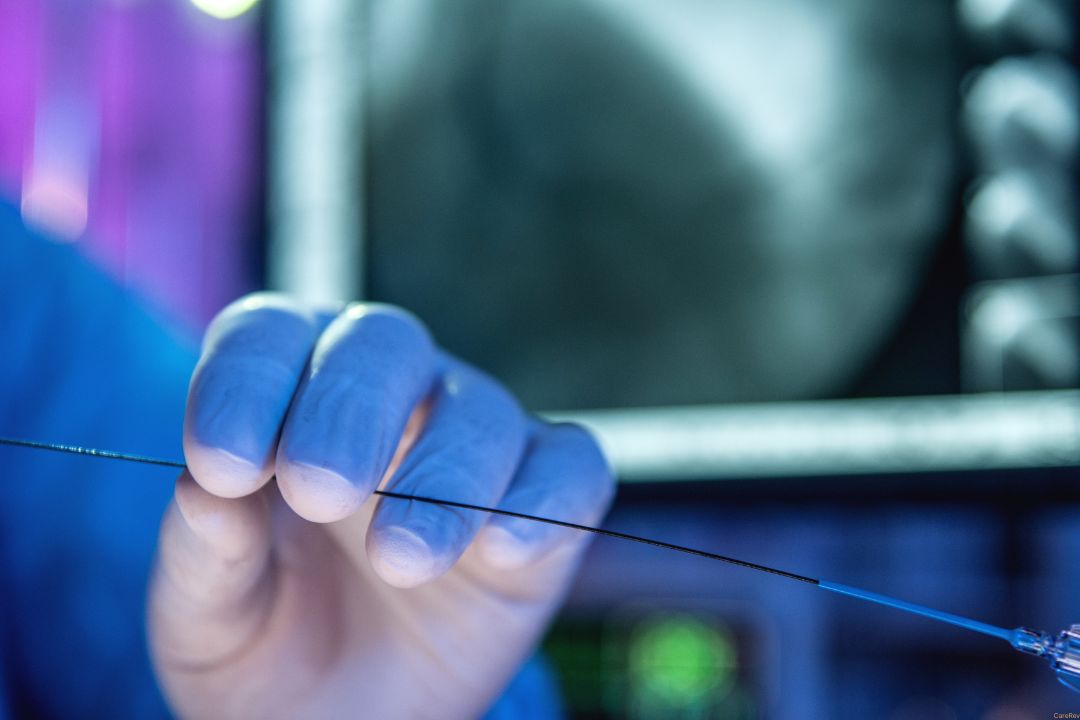
The "cath lab" refers to the catheterization laboratory, a specialized room inside a hospital or cardiac care center that is equipped with advanced imaging technology. This is where procedures like coronary angiograms, angioplasties, stent placements, and electrophysiology studies take place.
Cath lab technicians are not just observers. They are active members of the procedural team. They prepare patients, operate sophisticated imaging equipment, assist the physician during the procedure, monitor the patient's condition throughout, and ensure the lab stays sterile and fully equipped. In high-stakes cardiac procedures, their role is essential to the outcome.
What does a cath lab technician do?
The day-to-day responsibilities of a cath lab technician are diverse and technically demanding. Here is a closer look at what the role involves:
Patient preparation
Before a procedure begins, the cath lab technician helps get the patient ready. This includes reviewing medical history, explaining what is about to happen, starting intravenous lines, taking vital signs, and providing reassurance to patients who are often anxious. Good communication and a calm, steady presence are just as important as technical skills in this part of the job.
Equipment setup and operation
Cath lab technicians are responsible for setting up and operating the imaging systems and monitoring equipment used during procedures. This includes fluoroscopy machines, hemodynamic monitoring systems, defibrillators, contrast injection systems, and IV pumps. They need to understand how this equipment works, how to troubleshoot it when problems arise, and how to interpret the data it produces in real time.
Procedural assistance
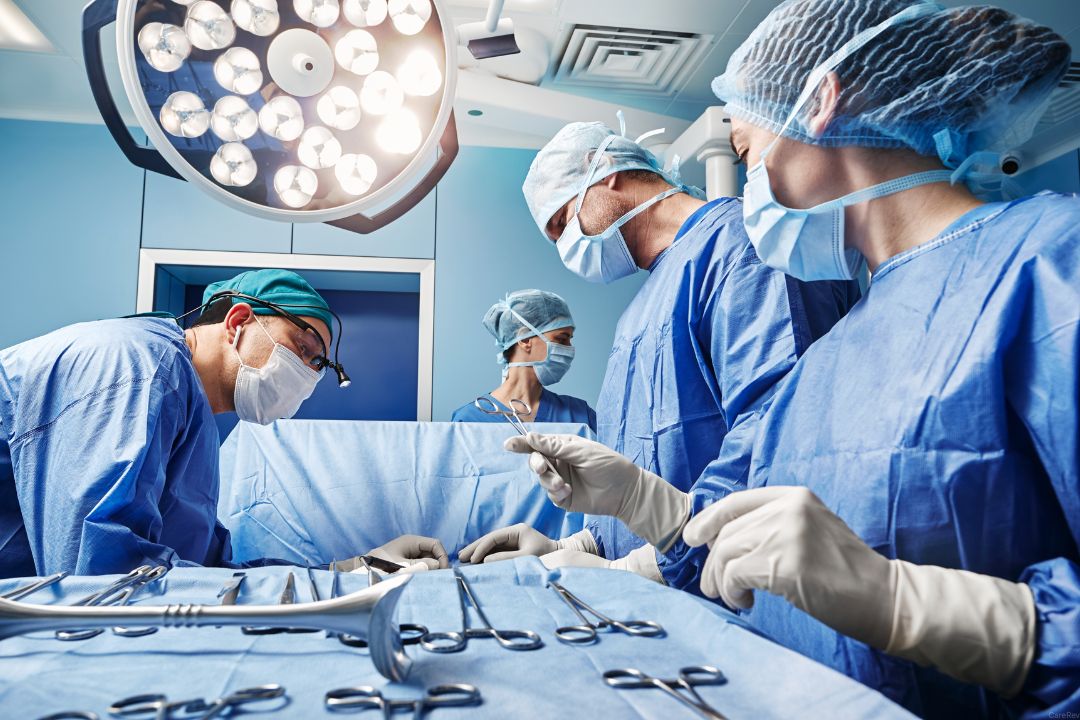
During the procedure itself, cath lab techs work directly alongside the cardiologist. Depending on their role and the facility's staffing model, they may serve as the scrub tech (handling sterile instruments and catheters close to the patient) or as the circulator (managing equipment, supplies, and monitoring from a slightly wider vantage point). Some experienced techs do both.
Common procedures they assist with include:
- Coronary angiography, which uses contrast dye and X-ray imaging to see how blood flows through the heart's arteries
- Angioplasty and stent placement, which open blocked or narrowed arteries
- Pacemaker and implantable defibrillator insertions
- Electrophysiology studies, which assess the electrical activity of the heart
- Structural heart procedures such as valve repairs and closures
Patient monitoring
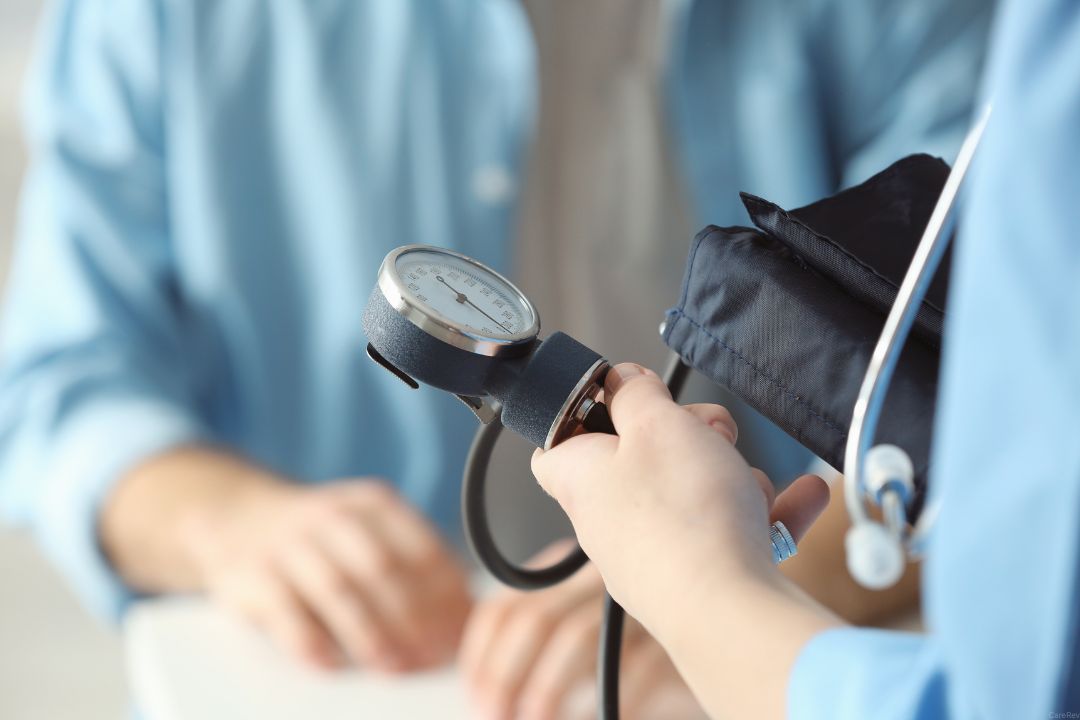
Throughout a procedure, the cath lab technician watches the patient's vital signs closely, including heart rate, blood pressure, oxygen levels, and cardiac rhythms. They need to recognize early signs of complications and respond quickly and calmly. Cardiovascular procedures carry real risk, and the ability to act decisively in an emergency is part of the job description.
Sterile field maintenance
Like any surgical environment, the cath lab requires strict infection control. Technicians are responsible for maintaining a sterile field, properly handling catheters and instruments, and following all protocols to protect the patient from infection during what are often invasive procedures.
Documentation and post-procedure care
After a procedure, cath lab techs help transfer patients to recovery, document what occurred during the case, clean and restock the lab, and prepare for the next case. In a busy cardiac program, the lab may turn over multiple times a day, so organizational skills and efficiency matter just as much as clinical ability.
Where do cath lab technicians work?
Most cath lab technicians work in hospitals, specifically within cardiac catheterization labs or hybrid operating rooms. Larger health systems may have multiple labs running simultaneously. Some cath lab techs work in freestanding cardiac care centers or outpatient facilities that handle lower-acuity cardiovascular procedures.
The work environment is fast-paced and high-stakes. Cases can be scheduled in advance, but emergency cases, such as a patient arriving with a heart attack, require the team to mobilize quickly and work under significant pressure. Cath lab teams are often on-call outside of regular hours for exactly this reason.
What education and training does a cath lab technician need?
Becoming a cath lab technician requires a solid clinical foundation and specialized training. Here is a general overview of the path:
Education
Most cath lab technicians hold an associate degree in cardiovascular technology or a related field, though some enter the role through a bachelor's degree program in radiologic technology or a health sciences field. Associate degree programs typically take two years and cover cardiac anatomy and physiology, pharmacology, hemodynamic monitoring, EKG interpretation, catheterization lab equipment, and patient care techniques.
Some individuals transition into the cath lab from other clinical roles, such as nursing or radiologic technology, and complete a specialized certificate or on-the-job training program to make the shift.
Certification
While requirements vary by state and employer, most cath lab technicians pursue national certification to strengthen their qualifications. The most widely recognized credential is the Registered Cardiovascular Invasive Specialist (RCIS), offered through Cardiovascular Credentialing International. Other relevant credentials include:
- Registered Cardiac Electrophysiology Specialist (RCES), for those working in EP labs
- Certified Cardiographic Technician (CCT), demonstrating expertise in EKG and stress testing
- Credentials through the American Registry of Radiologic Technologists (ARRT) for those coming from a radiology background
Maintaining these certifications requires ongoing continuing education, which keeps cath lab techs current with evolving procedures and technology.
Licensure
Licensing requirements differ by state. As of recent reports, 37 states require cath lab technicians to hold state-specific licensure in addition to national certification. Anyone pursuing this career should research the requirements in their state before entering a training program.
On-the-job training
Most new cath lab technicians complete hands-on training under the supervision of experienced colleagues, even after completing their formal education. Many hospitals and cardiac centers offer structured orientation programs that range from several weeks to a few months. The equipment, workflows, and protocols in a cath lab require practice and repetition before a technician can work independently with confidence.
What skills make a strong cath lab technician?
This role demands a specific combination of technical knowledge and personal qualities. The most effective cath lab techs tend to bring:
- Strong attention to detail, because mistakes in a sterile procedural environment can have serious consequences
- The ability to stay calm under pressure, especially during emergency cases or unexpected complications
- Good communication skills, both with patients who may be frightened and with a fast-moving clinical team
- Technical aptitude for operating and troubleshooting sophisticated medical equipment
- Physical stamina, as the role involves standing for long periods and working in a lead-lined apron due to radiation exposure from imaging equipment
- Critical thinking, to recognize and respond to changes in a patient's condition during a procedure
What does a cath lab technician earn?
Cath lab technicians are compensated well relative to many other allied health roles, reflecting the specialized training and high-stakes environment the job requires.
According to ZipRecruiter salary data, the average annual salary for a cath lab technician in the United States is approximately $133,554, with pay ranging based on experience, geographic location, employer size, and certifications. Staff positions at large hospital systems in high cost-of-living states tend to pay more, with some markets reporting average salaries considerably above the national figure.
What is the job outlook for cath lab technicians?
The demand for cath lab technicians is expected to remain strong. The Bureau of Labor Statistics projects employment for cardiovascular technologists and technicians to grow, driven by the aging U.S. population and the continued rise in cardiovascular disease.
Nearly half of all U.S. adults have some form of cardiovascular disease, according to the American Heart Association. As that population ages and the number of cardiac procedures grows, hospitals need qualified professionals to staff their cath labs. Approximately 9,400 job openings for cardiovascular technologists and technicians are expected annually, driven largely by workforce transitions and retirements.
For allied health professionals looking for a stable, rewarding career with strong earning potential and room for specialization, the cath lab is a compelling place to be.
The bottom line
A cath lab technician is a highly skilled allied health professional who plays a hands-on role in some of the most important procedures in cardiovascular care. From preparing patients and operating imaging equipment to assisting cardiologists during stent placements and monitoring vital signs in real time, these professionals are an essential part of the cardiac care team.
The path to becoming a cath lab tech requires dedicated education, certification, and clinical training. But for those drawn to a career that combines technical precision with direct patient impact, it is a career worth pursuing.
Heart disease is not going away. The need for skilled, compassionate professionals who can work at the front lines of cardiovascular care is only going to grow.