Hospitals are complex systems designed to deliver coordinated, high-quality care. To someone unfamiliar with healthcare, it can feel overwhelming. Why are there so many departments? What does each one actually do? And how do they work together?
This guide explains every major hospital department, how they function, and why each one matters. Whether you are a patient, a family member, a student, or someone exploring a healthcare career, this breakdown will give you a clear understanding of how hospitals divide and organize their work.
Explore Hospital Departments:
- Emergency department (ED)
- Intensive care unit (ICU)
- Medical-surgical unit (med-surg)
- Telemetry and progressive care unit (PCU)
- Operating room (OR) and perioperative services
- Labor and delivery (L&D)
- Neonatal intensive care unit (NICU)
- Pediatrics
- Oncology
- Cardiology
- Radiology and imaging
- Laboratory services
- Pharmacy
- Rehabilitation services
- Behavioral health and psychiatry
- Case management and social services
- Hospital administration and support services
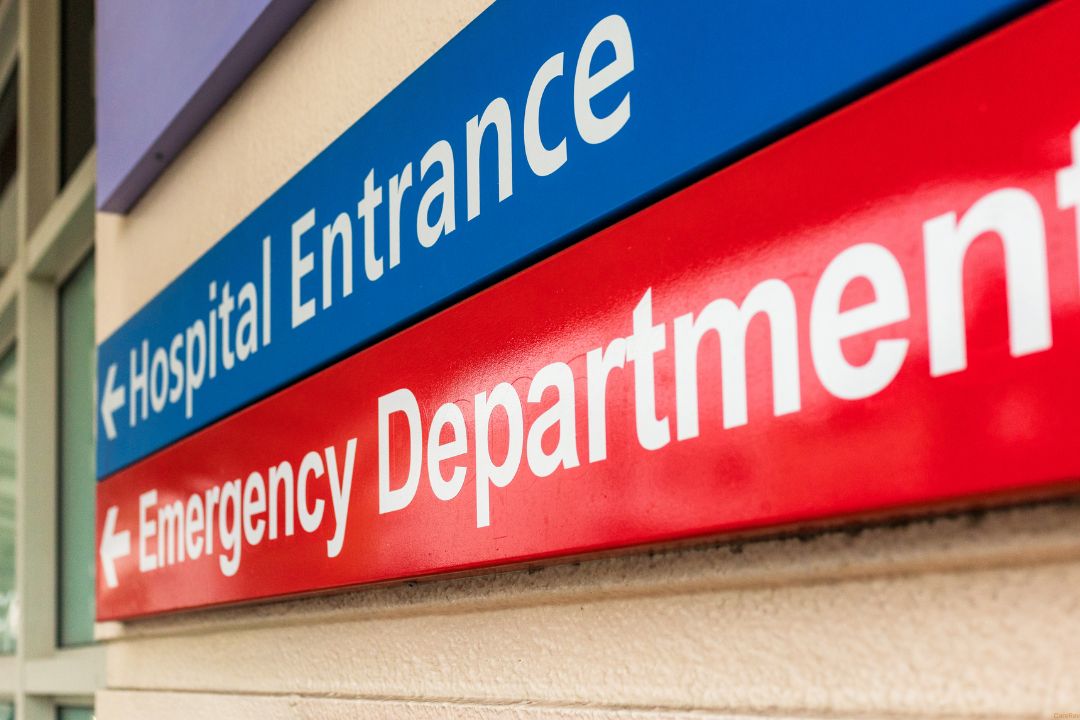
Emergency department (ED)
The emergency department is the hospital’s front line. It treats patients with urgent and life-threatening conditions such as trauma, heart attacks, strokes, severe infections, and accidents.
Key responsibilities:
- Rapid triage to prioritize the sickest patients
- Stabilization of critical conditions
- Immediate diagnostics (labs, imaging)
- Coordination of admission or discharge
The ED operates 24/7 and requires fast decision-making, interdisciplinary teamwork, and constant readiness. This is where ER doctors and ER nurses work.
Intensive care unit (ICU)
The ICU treats critically ill patients who require close monitoring and advanced life support. These patients often need ventilators, continuous cardiac monitoring, or complex medication drips.
Common ICU patients include:
- Severe trauma cases
- Post-surgical complications
- Respiratory failure
- Septic shock
- Cardiac arrest recovery
Nurse-to-patient ratios are lower in the ICU to allow for constant monitoring and rapid intervention. Explore the role of ICU nurses who work in this department.
Medical-surgical unit (med-surg)
The medical-surgical unit is often considered the backbone of the hospital. It cares for patients who are stable but still require inpatient treatment.
Typical patients:
- Post-operative recovery
- Pneumonia
- Diabetes complications
- Infections
- Gastrointestinal issues
Med-surg units handle a wide range of diagnoses, making them one of the most versatile and high-volume departments in the hospital. Learn about Med-Surg nurses and their important role in this department.
Telemetry and progressive care unit (PCU)
Telemetry units monitor patients with cardiac conditions or those who require continuous heart rhythm observation.
PCUs (progressive care units) care for patients who are too complex for med-surg but not critical enough for the ICU.
Common cases:
- Heart failure
- Post-cardiac procedures
- Arrhythmias
- High-risk medical conditions
These units serve as an intermediate level of care. Learn the difference between the ICU and PCU.
Operating room (OR) and perioperative services
The operating room is where surgical procedures take place. Perioperative services include pre-op and post-anesthesia care units (PACU).
Responsibilities include:
- Preparing patients for surgery
- Maintaining sterile technique
- Assisting surgeons during procedures
- Monitoring recovery from anesthesia
This department relies heavily on coordination between surgeons, anesthesiologists, nurses, and surgical technologists. Learn about Perioperative nurses and what they do.
Labor and delivery (L&D)
Labor and delivery units specialize in childbirth and maternal care.
Services include:
- Monitoring labor progression
- Managing high-risk pregnancies
- Performing cesarean sections
- Supporting postpartum recovery
L&D teams are trained to handle both routine deliveries and emergency obstetric situations. Explore the benefits of becoming a L&D nurse.
Neonatal intensive care unit (NICU)
The NICU cares for premature or critically ill newborns.
Patients may require:
- Respiratory support
- Specialized feeding
- Temperature regulation
- Continuous monitoring
NICU teams include neonatologists, specialized nurses, and respiratory therapists. Explore the NICU and nurses that work there.
Pediatrics
Pediatric units treat infants, children, and adolescents for a range of medical conditions.
Pediatric care differs from adult care because:
- Medication dosing varies by weight
- Communication strategies differ
- Family involvement is critical
Some hospitals have dedicated pediatric emergency departments and specialty clinics. Interested in exploring pediatrics? Learn about the role of Pediatric nurses.
Oncology
Oncology departments diagnose and treat cancer.
Services include:
- Chemotherapy administration
- Radiation coordination
- Cancer surgery
- Palliative care
Oncology teams often work closely with laboratory, radiology, and surgical departments. Explore the role of Oncology nurses in this department.
Cardiology
Cardiology focuses on heart-related conditions.
Common services:
- Cardiac catheterization
- Stress testing
- Echocardiograms
- Heart rhythm management
Many hospitals have specialized cardiac units and catheterization labs. Explore the world of Cardiac nursing.
Radiology and imaging
Radiology provides diagnostic imaging to help physicians identify and monitor conditions.
Common imaging modalities:
- X-rays
- CT scans
- MRI
- Ultrasound
Imaging results guide treatment decisions across nearly every hospital department. Learn about the role of CT techs that work in the imaging department.
Laboratory services
The laboratory analyzes blood, urine, tissue, and other specimens.
Lab results help:
- Diagnose infections
- Monitor organ function
- Identify blood disorders
- Guide medication adjustments
Accurate and timely lab work is essential for patient safety. Learn what a Hisologist does in the world of laboratory tissue samples.
Pharmacy
Hospital pharmacies manage medication preparation and safety.
Pharmacists:
- Verify medication orders
- Adjust dosages
- Monitor drug interactions
- Prepare IV medications
They work closely with physicians and nurses to prevent medication errors. Learn what it takes to become a pharmacist.
Rehabilitation services
Rehabilitation departments include physical therapy, occupational therapy, and speech therapy.
They help patients:
- Regain mobility
- Restore daily living skills
- Improve communication
- Recover after injury or surgery
Rehab services often begin during hospitalization and continue after discharge. Explore the role of a Rehab nurse in a hospital setting.
Behavioral health and psychiatry
Behavioral health units treat mental health conditions such as depression, anxiety, substance use disorders, and acute psychiatric crises.
Services may include:
- Inpatient stabilization
- Medication management
- Therapy
- Crisis intervention
Some hospitals have dedicated psychiatric facilities.
Case management and social services
Case managers and social workers coordinate discharge planning and post-hospital care.
They assist with:
- Insurance navigation
- Placement in rehabilitation or skilled nursing facilities
- Home health services
- Community resource referrals
This department ensures continuity of care beyond the hospital stay. Understand the vital role of a case manager in hospital settings.
Hospital administration and support services
Behind every clinical department is a support structure that keeps the hospital functioning.
Key support areas:
- Hospital administration
- Human resources
- Environmental services
- Food services
- Information technology
- Supply chain management
These teams maintain operations, compliance, staffing, and patient experience standards. Explore the role of a hospital administrator.
How hospital departments work together
No department operates in isolation. A single patient might move from the emergency department to the ICU, then to med-surg, and eventually to rehabilitation — all within one hospital stay.
Hospitals rely on:
- Interdisciplinary communication
- Electronic health records
- Coordinated care planning
- Standardized safety protocols
The system is complex, but it is designed to deliver the right level of care at the right time.
Understanding hospital departments helps patients feel more confident navigating care. It also provides valuable insight for anyone considering a career in healthcare. Hospitals are highly organized ecosystems, and every department plays a specific, essential role in delivering safe and effective patient care.